3 Ways To Set Up Automated Tests for Success
January 27, 2021
Automated testing helps find defects early and support frequent releases. Understand when and how to run your automated tests.

Automated testing helps find defects early and support frequent releases. Understand when and how to run your automated tests.

Get started measuring the performance of your AI models with this introduction to three basic metrics.

One common question on software development teams is “When should we stop testing?” But recently, I was asked a different question: How much testing is enough?

Should an application or service in production aim to keep its library dependencies as current as possible? Or, at the other extreme, update them only as a last resort?

In the age of DevOps, one agile approach has become more relevant than ever: continuous testing. Here are four strategies that will help you strategically implement a scalable continuous testing process across the enterprise.

You wouldn’t drive a car by relying only on the speedometer and fuel gauge. So why would you run your software testing this way? Maybe it’s time to rethink the way that you’re using metrics.
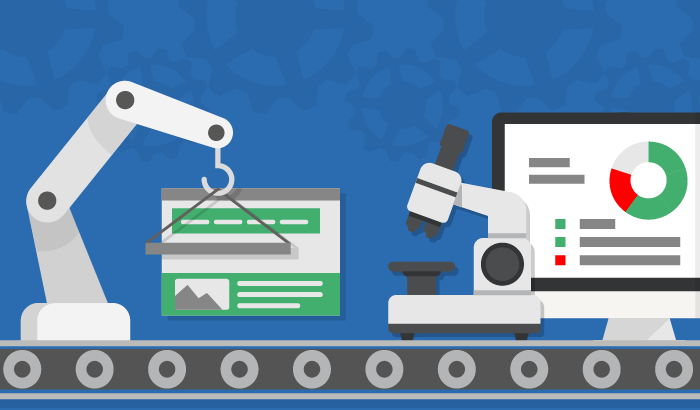
Over the years, I’ve heard many, many software testers insist their management expected them to “automate everything.” In some ways it seems perfectly reasonable. But does this approach to test automation make sense? Can we do better?
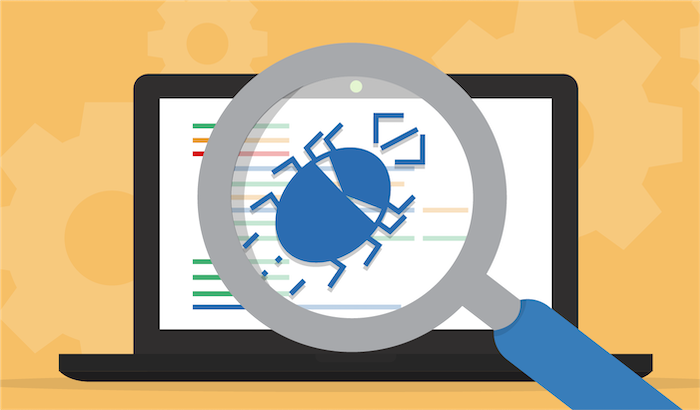

Identify and correct problems sooner, rather than later: That’s the heart of the “shift left” slogan. But to do so with security — to cultivate not just DevOps, but DevSecOps — is one of application development’s thornier problems.